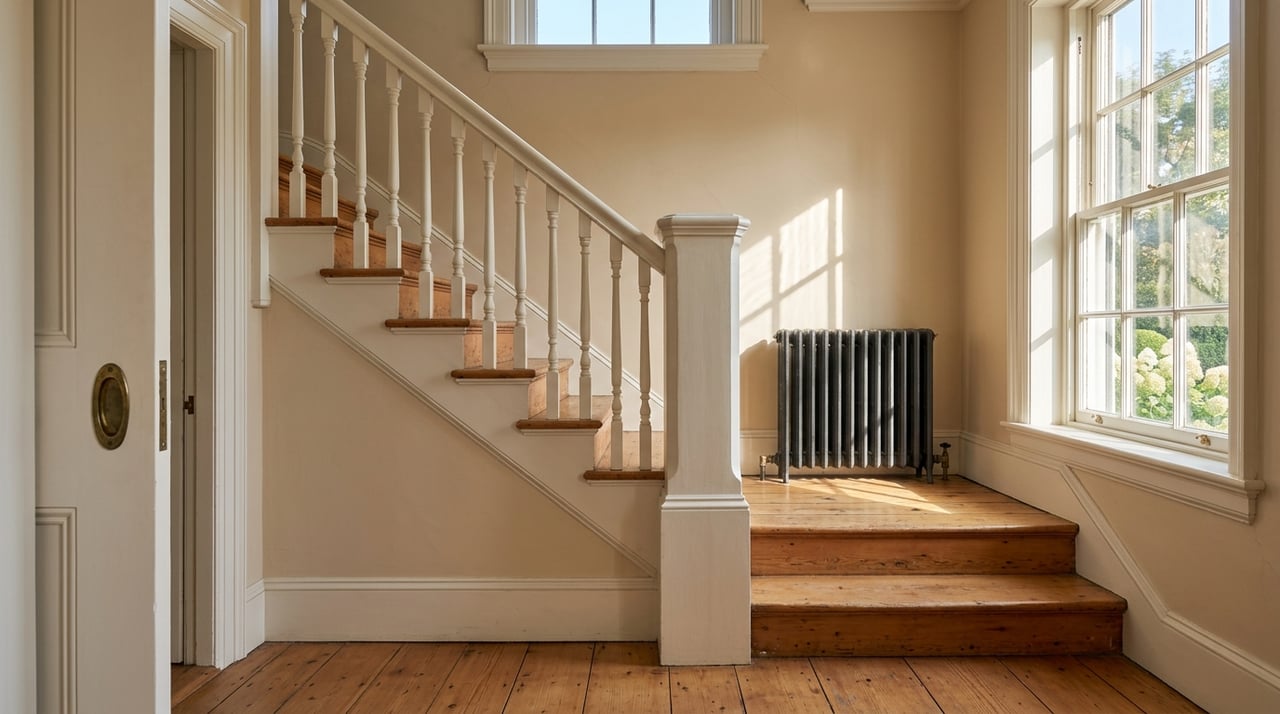
Wondering if a historic home in Roslyn is a dream purchase or a renovation puzzle? The answer is often both. If you love original character, layered architecture, and a village setting that feels distinct from newer neighborhoods, Roslyn can be incredibly rewarding. But before you make an offer, it helps to understand the local rules, likely inspection issues, and renovation realities that come with owning an older home here. Let’s dive in.
Why Roslyn Historic Homes Stand Out
Roslyn is one of Long Island’s oldest settlements, and the Village describes its historic district as an intact, cohesive area with significant buildings dating from about 1680 to 1930. Within Roslyn’s compact one-square-mile footprint, the Village identifies 82 historic structures. That gives buyers a rare chance to own a home tied to centuries of local history.
What makes Roslyn especially appealing is that the setting matters as much as the houses themselves. The Village points to the mill ponds, stream, park, and wooded hillsides as part of the district’s historic character. For many buyers, that combination of architecture and landscape is the reason Roslyn feels so different from a typical suburban purchase.
What Architectural Styles You May See
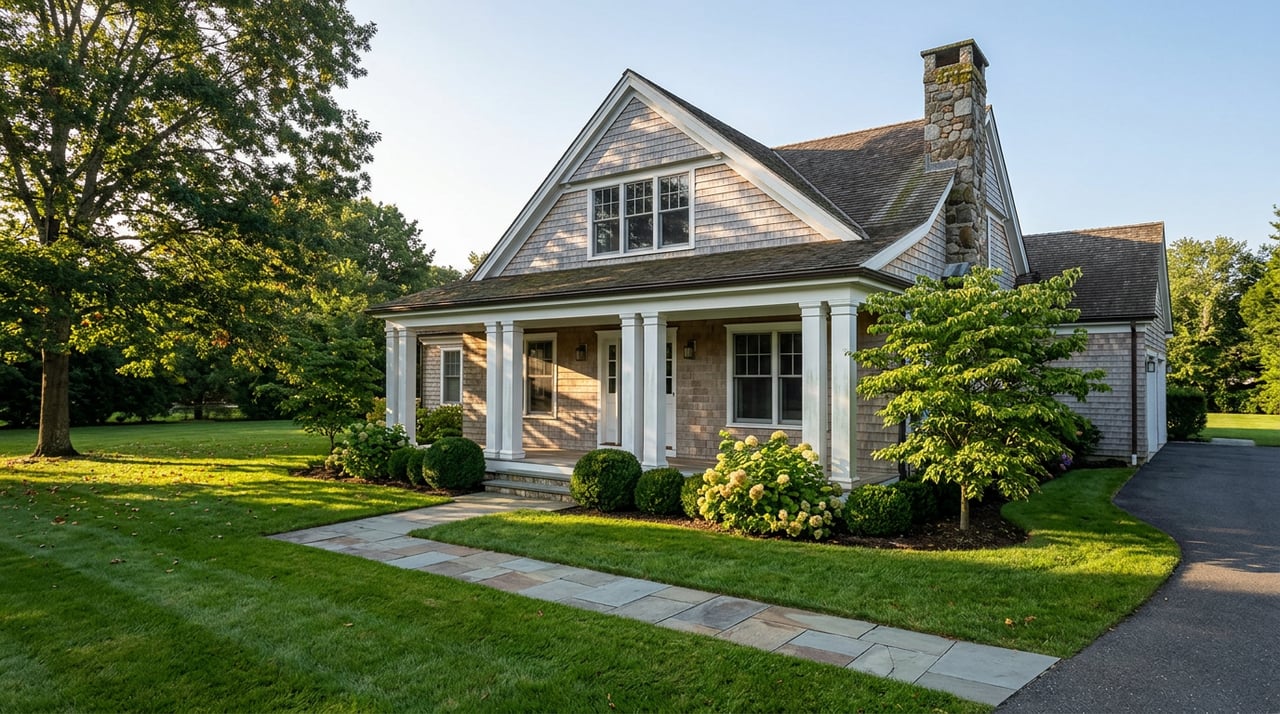
If you are shopping in Roslyn, you may see homes from several periods and styles, sometimes within the same house. The Village notes that many buildings were enlarged or updated over time, so a property may reflect more than one era rather than a single pure style. That means your future home may have historic charm along with later additions or design changes.
Colonial and Federal Details
These homes often feature simple shapes, steep side-gable roofs, and smaller openings. Entrances may include transoms and sidelights. If you like understated, early American architecture, these are some of the details to look for.
Greek Revival Features
Greek Revival homes often have symmetrical facades and strong entry surrounds. You may also notice classical porches or pedimented gables. These homes can feel formal yet approachable.
Italianate and Second Empire Elements
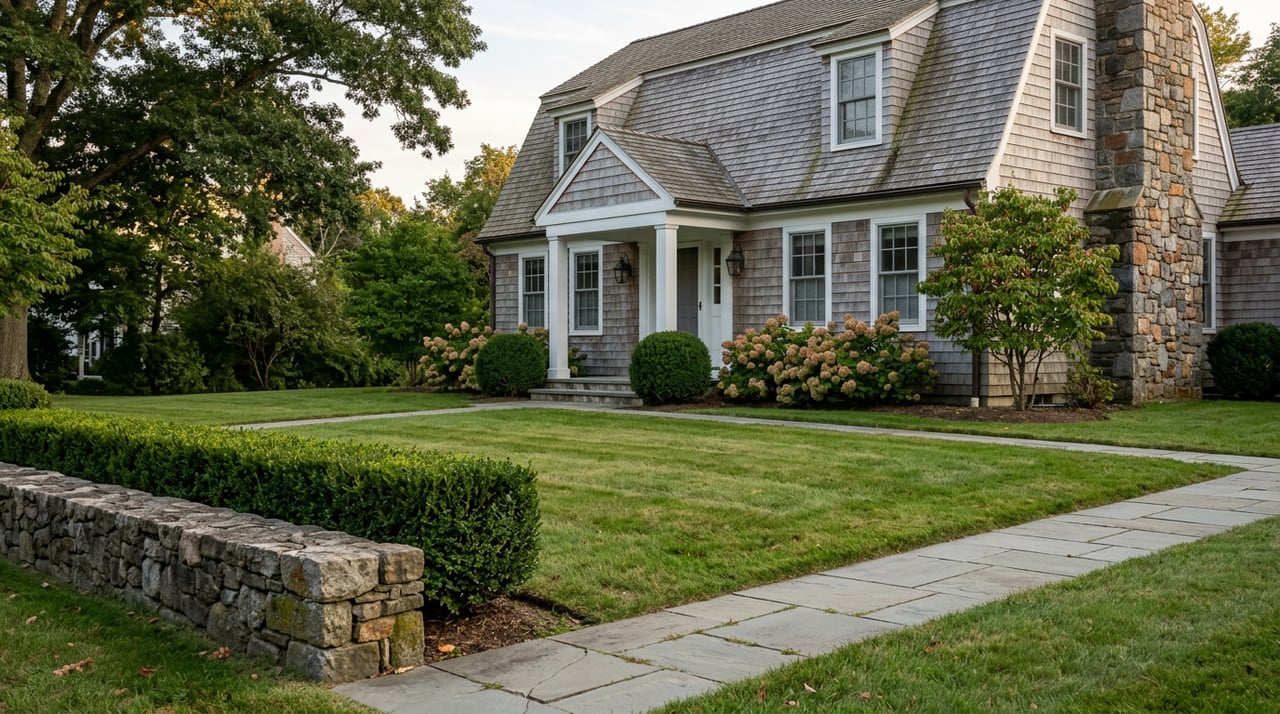
Italianate properties often show bracketed eaves and tall, narrow windows. In Second Empire examples, a Mansard roof is a key visual cue. These details can create a more decorative appearance than earlier Roslyn homes.
Victorian and Revival Styles
In Roslyn, you may also encounter Stick, Vernacular Victorian, Colonial Revival, Tudor Revival, and Neoclassical influences. Common details include applied trim, steep cross-gables, half-timbering, central entries, and multi-paned windows. For buyers, this variety is part of the appeal, but it also means each property should be evaluated on its own history and condition.
What Historic Status Means in Roslyn
Historic status in Roslyn is not just a label. It can directly affect what you are allowed to change, especially on the exterior. The Village’s Historic District Board regulates properties within the village historic district, and exterior work in the historic district requires Historic District Board approval.
The Village also notes that most home improvements require a permit. Depending on the scope of work, some projects may also need Planning Board or Zoning Board of Appeals review. If you are considering a home because you want to add space, replace windows, rework the roofline, or change outdoor features, this is important to understand before you buy.
Exterior Work Can Cover More Than You Expect
Roslyn’s restoration guidelines show that review can extend to a wide range of exterior items, including:
- Paint
- Siding
- Windows
- Roofing
- Lighting
- Landscape features
- Walls and fences
- Masonry
- Sidewalks
- Retaining walls
That broad scope is one reason historic-home buyers should budget for time, not just money. A project that seems simple at first may require approvals and revisions.
Check Overlay Districts by Address
In Roslyn, location within the village can affect more than curb appeal. The Village map shows a Historic-Scenic Overlay District, a Waterfront Development Overlay District, and a Hillside Protection Overlay District. Before you make an offer, confirm the exact status of the property by address so you can better understand any limits tied to additions, grading, drainage, or other site work.
Ask About Restrictive Covenants
The Village says some historic properties also have restrictive covenants held by the Roslyn Landmark Society. That can create another review layer beyond standard permitting. It is a smart question to ask early, especially if you plan to renovate shortly after closing.
What to Review Before Making an Offer
When you buy a historic home, paperwork matters almost as much as appearance. A beautiful house with incomplete approvals or undocumented work can become much more complicated after closing.
Before making an offer, try to request:
- Permit history for prior work
- Certificates of occupancy or completion for major renovations
- Historic District Board approval letters for exterior work
- Any lead disclosure or lead inspection paperwork
- Any asbestos inspection or sampling reports
- Confirmation of overlay district status by address
- Information on any restrictive covenant affecting the property
These records can help you understand whether past improvements were done properly and whether your future plans are realistic.
Inspection Priorities for Older Roslyn Homes
A standard home inspection is important, but older homes in Roslyn often call for extra attention in a few specific areas. The age of the housing stock and the village’s site conditions can create risks that newer homes may not have.
Lead Paint Risks
Lead-based paint is one of the biggest issues in older housing. EPA data says 87% of homes built before 1940 and 24% of homes built between 1960 and 1978 contain some lead-based paint. Buyers of pre-1978 housing must receive known lead information before signing a contract.
If you want to know where lead is present, EPA recommends hiring a certified inspector or risk assessor. This becomes even more important if you expect to renovate, since pre-1978 work that disturbs lead-based paint must be handled by lead-safe certified contractors using lead-safe practices.
Asbestos in Older Materials
Asbestos is another common concern in older homes. EPA says you cannot identify asbestos-containing material just by looking at it. Materials such as old floor tile, ceiling tile, and pipe wrap may contain asbestos.
If the material is damaged or likely to be disturbed during remodeling, sampling by a properly trained and accredited asbestos professional is recommended. If the material is in good condition and will not be disturbed, leaving it alone is often the best approach.
Drainage, Moisture, and Site Conditions
Roslyn’s setting is part of its charm, but it can also affect a property’s maintenance needs. The Village describes the historic district as sitting in a narrow valley with mill ponds, a stream, and steep wooded hillsides. In practical terms, buyers should pay close attention to drainage, grading, basement moisture, retaining walls, and stormwater management during the inspection process.
Renovation Planning Takes Time
If you are buying a historic home with plans to renovate, Roslyn’s local guidelines should shape your budget from day one. The Village says additions and new construction should be compatible with the historic character of the area and streetscape, subordinate to the historic building, and often placed at the rear or side where possible.
The guidelines also recommend materials such as wood, stone, brick, and stucco, while strongly discouraging demolition of historic resources. That can affect design choices, material costs, and construction timelines.
Budget for More Than Construction
In Roslyn, the true cost of a renovation can include:
- Architectural or engineering plans
- Permit applications
- Historic District Board review
- Possible Planning Board or Zoning Board review
- Multiple inspections during construction
- Delays tied to revisions or approvals
The Village notes that larger projects may require a licensed architect or engineer. It also notes that new construction can involve 12 or more required inspections, with as many as apply to alterations and additions. For buyers, that is a reminder to leave room in both your budget and your timeline.
Use Early Consultation to Your Advantage
The Village’s guidelines note that the Historic District Board can provide a free preliminary consultation. If you are serious about a property and expect to make exterior changes, that early conversation can help you understand what is likely to be approved before you commit to a major plan.
A Tax Credit May Help, But Verify First
New York offers a Historic Homeownership Rehabilitation Credit for eligible owner-occupied historic homes. According to the state, the credit equals 20% of qualified rehabilitation expenses, requires at least $5,000 in qualifying costs, and is capped at $25,000 per taxpayer per year.
That said, not every historic home in Roslyn will qualify. Eligibility depends on register status and census-tract or income criteria, and the homeowner must receive a Certificate of Completion from New York State Office of Parks, Recreation and Historic Preservation. Before you count on this credit, verify parcel-level eligibility.
Think About Resale Before You Buy
Historic homes often inspire emotional decisions, but resale should still be part of your thinking. Research on value in historic districts is mixed, though some studies have found positive effects on home values. In Roslyn, the more practical question is often which homes are easiest to own and transfer later.
In many cases, the strongest resale story includes four parts:
- Authentic architectural character
- Documented permits and approvals
- Updated core systems where needed
- A manageable maintenance profile
A home with charm and clean documentation is usually easier to market than one with unresolved compliance issues or major deferred maintenance. That is especially relevant in a village where preservation and streetscape character are a meaningful part of buyer appeal.
How to Decide if a Roslyn Historic Home Fits You
Buying a historic home in Roslyn can be deeply rewarding if you value authenticity, architectural detail, and a preservation-oriented village setting. It may be less appealing if your top priorities are low maintenance and maximum renovation flexibility.
The right purchase usually comes down to balancing four things: character, rules, repair budget, and long-term livability. When those pieces line up, a Roslyn historic home can offer a very specific kind of value that is hard to replicate elsewhere on Long Island.
If you are weighing older homes against newer options, local guidance matters. The right advisor can help you compare the charm you see with the approvals, condition, and future costs you do not want to discover too late. When you are ready to explore Roslyn with a clear strategy, connect with the McCooey-Olivieri Team to schedule a complimentary local market consultation.
FAQs
What should buyers check before buying a historic home in Roslyn?
- Confirm the property’s historic or overlay district status by address, ask for permit history and certificates of occupancy or completion, and find out whether any restrictive covenant applies.
What exterior changes need approval for a historic home in Roslyn?
- In the village historic district, exterior work may require Historic District Board approval, and the review framework can include paint, siding, windows, roofing, lighting, fences, masonry, sidewalks, and retaining walls.
Are lead and asbestos common concerns in older Roslyn homes?
- Yes. Older homes may contain lead-based paint or asbestos in older materials, so buyers should review any available reports and consider qualified inspection or testing when appropriate.
Can you renovate a historic home in Roslyn after closing?
- Yes, but renovation plans may need permits, Historic District Board approval, and in some cases additional local review, so it is smart to understand the process before you buy.
Is there a tax credit for renovating a historic home in Roslyn?
- New York offers a Historic Homeownership Rehabilitation Credit for some eligible owner-occupied historic homes, but buyers should verify property-level eligibility before relying on it.
Do historic homes in Roslyn hold their value?
- Value outcomes vary, but homes with authentic character, documented approvals, and updated systems are typically easier to live with and resell than homes with unresolved maintenance or compliance issues.