Thinking about a North Shore move and keep hearing Locust Valley come up? You’re not alone. This small hamlet offers a peaceful, village feel near classic Gold Coast landscapes, clubs, and preserves. In this guide, you’ll get a clear picture of daily life, schools, parks, home types, price bands, and the NYC commute so you can decide if it fits your plans. Let’s dive in.
Locust Valley at a glance
Locust Valley is a compact hamlet in the Town of Oyster Bay on Long Island’s North Shore. The core area is under a square mile, but locals often include nearby villages like Lattingtown, Matinecock, Mill Neck, and Upper Brookville when they say “Locust Valley.” You get a quieter, more rural-feeling setting compared with busier North Shore hubs.
A bit of history
The area’s roots include Matinecock presence, colonial-era settlements, and a 19th-century name change from Buckram to Locust Valley. The railroad’s arrival shaped growth and later Gold Coast estates added to the region’s identity. For a concise overview, see the hamlet of Locust Valley.
Village core and everyday convenience
You’ll find a small, walkable strip around Forest Avenue and Birch Hill with the post office, casual dining, and local services. Expect independent restaurants like Basil Leaf Café, The Brass Rail, and Buckram Stables Cafe. Larger shopping and medical services are a short drive in neighboring towns.
Country feel around the edges
Beyond the village core, the landscape opens to larger parcels and estate pockets in adjacent incorporated villages. Private clubs and preserved greenspace reinforce the low-key, country vibe that attracts buyers seeking privacy and calm.
Schools and learning options
Public: Locust Valley Central School District
Locust Valley Central School District serves K–12 students in the hamlet and nearby communities. You can explore campuses and program details on the Locust Valley Central School District site. Families typically review district pages and New York State report cards for the latest enrollment and performance information before making decisions.
Private and independent schools nearby
Independent options are part of many buyers’ searches. Notable choices include Friends Academy in Locust Valley, Portledge School in nearby Locust Valley/Brookville, and additional Long Island schools like Green Vale and Long Island Lutheran. Admission timelines and transportation options can influence your home search, so confirm details early.
Parks, trails, and water
Sagamore Hill and harbor views
A local favorite for all ages, the Sagamore Hill nature trail to Eel Creek and the Cold Spring Harbor boardwalk offers tidal views, birdwatching, and an easy path. It’s a simple way to enjoy the water without driving to a crowded beach.
Estate-to-arboretum parks
Within a short drive, you can explore Planting Fields Arboretum State Historic Park and the scenic Caumsett State Historic Park Preserve. These parks host seasonal events, gardens, and extensive trails that underscore the area’s Gold Coast heritage.
Country hiking close to home
For woodsy walks, Muttontown Preserve features glacial knolls, quiet trails, and a pastoral feel. It is ideal if you want weekend nature time without a long drive.
Clubs and seasonal recreation
Country clubs and social life
Club life is part of the cultural fabric. Historic clubs such as the Piping Rock Club and The Creek Club support golf, tennis, and social events. Each club sets its own policies, so inquire directly for membership details if that lifestyle is important to you.
Ice sports in winter
The area also leans into seasonal fun. The Beaver Dam Winter Sports Club offers skating and hockey programs that keep families active through the colder months.
Homes and price ranges
The Locust Valley market reflects both village-scale homes and nearby estate properties. Here is how to think about the options as you start your search:
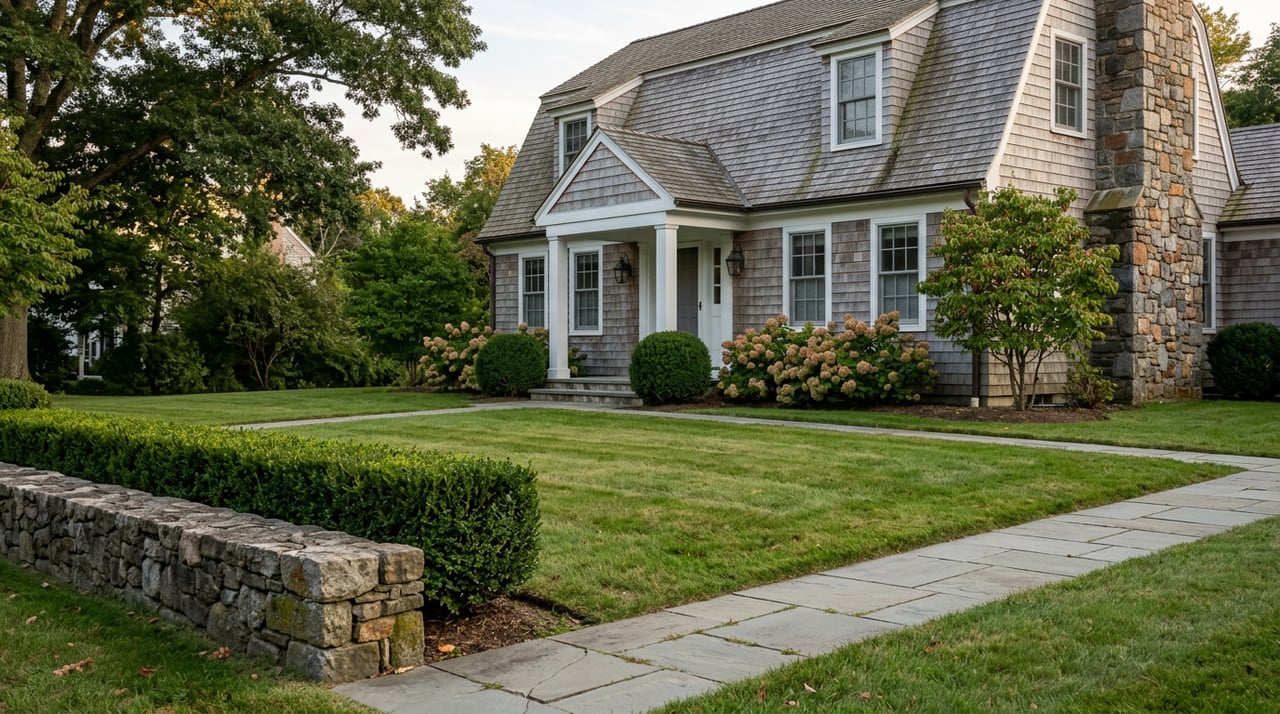
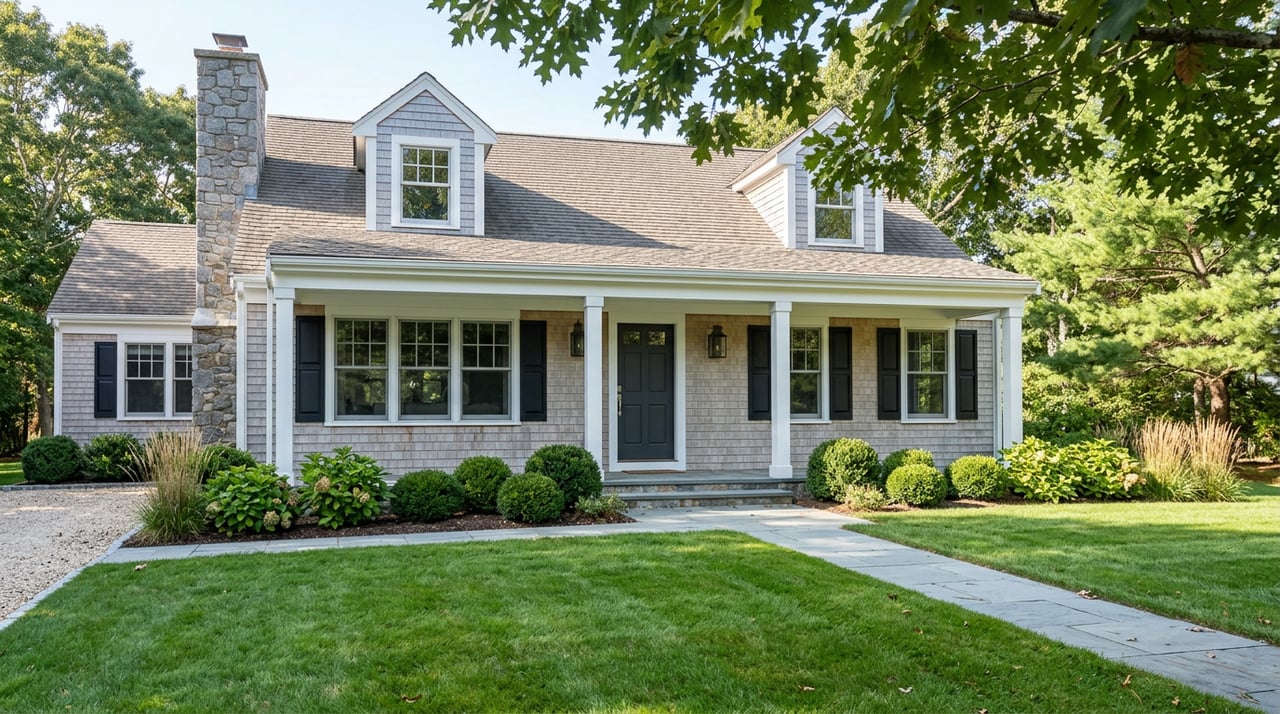
- Entry-level houses: In and around the village, you’ll see bungalows, Cape Cods, ranches, and mid-century homes on modest lots. Some are turn-key; others are good candidates for updates.
- Midmarket: Larger 3–4 bedroom Colonials or renovated mid-century homes often sit on bigger lots. Price depends on size, updates, and street.
- Upper end and estates: Multi-acre properties, architect-designed homes, and preserved estates are commonly found in adjacent villages like Matinecock, Lattingtown, Upper Brookville, and Mill Neck.
Market snapshot: As of late January 2026, a widely cited pricing gauge showed a typical home value around about $1.18M in the Locust Valley area (Zillow ZHVI, Jan 31, 2026). Recent sold data has ranged from the high $900,000s into the $1.5M-plus band for many single-family homes, with estates reaching multi-million prices. These figures shift month to month, so always check current listings and sold comparables before you set a budget.
Commuting and access
Locust Valley is served by the LIRR’s Oyster Bay Branch at the Locust Valley station. Depending on the train and transfers, many commuters plan for about 60 to 90+ minutes door to door to Midtown. Schedules vary by time of day, so review current LIRR timetables as you compare commute options. If a shorter ride is a priority, weigh this tradeoff against the area’s quieter setting and larger lot sizes.
Daily life and local favorites
You will find a friendly rhythm along Forest Avenue with coffee, dining, and errands close together. The Locust Valley Library, civic groups, and a historical collection at the library help anchor community life. A seasonal farmers market has operated near the village core, and broader farmers market initiatives on Long Island make it easy to source fresh produce nearby. Dining is relaxed and local, from Buckram Stables Cafe to The Brass Rail.
Smart buyer checklist
- Walk the village core around Forest Avenue to get a feel for daily life.
- Visit the train station at your usual commute time to test the door-to-door trip.
- Confirm school boundaries and programs with the Locust Valley Central School District.
- Review taxes, flood zones, and permitting with Town of Oyster Bay offices before you make an offer.
- Decide whether club life is a priority; research membership timelines and costs directly with each club.
- Compare village homes to nearby estate pockets to refine lot size, privacy, and budget.
- Get pre-approved and factor renovation budgets if you are considering value-add properties.
Why Locust Valley works for many buyers
If you want a small-town feel with quick access to parks, preserves, and classic North Shore ambiance, Locust Valley checks a lot of boxes. You trade a longer typical commute for more space, quiet streets, and a strong sense of place. With options from village bungalows to multi-acre estates, you can match neighborhood character to your priorities.
Ready to tailor this overview to your timeline and budget? Connect with the McCooey-Olivieri Team to schedule a complimentary local market consultation.
FAQs
What is Locust Valley like compared to other North Shore towns?
- It offers a quieter, small-town core with nearby estate areas, plus easy access to parks and preserves, making it feel more rural than busier North Shore hubs.
How long is the NYC commute from Locust Valley?
- Many commuters plan for about 60 to 90+ minutes door to door via the LIRR’s Oyster Bay Branch, depending on train timing and transfers.
What home types can I expect in Locust Valley?
- Village-scale bungalows, Cape Cods, and ranches are common, while nearby villages offer larger Colonials and multi-acre estates.
What are typical home prices in Locust Valley?
- A recent snapshot placed the typical value near about $1.18M, with recent sales often from the high $900,000s to $1.5M-plus, and estates in multi-million territory.
Which schools serve Locust Valley?
- Locust Valley Central School District serves K–12, and local independent options include Friends Academy and Portledge School.
Where can I enjoy the outdoors near Locust Valley?
- Popular picks include Sagamore Hill’s harbor trail, Caumsett’s coastal paths, and country-style hiking at Muttontown Preserve.