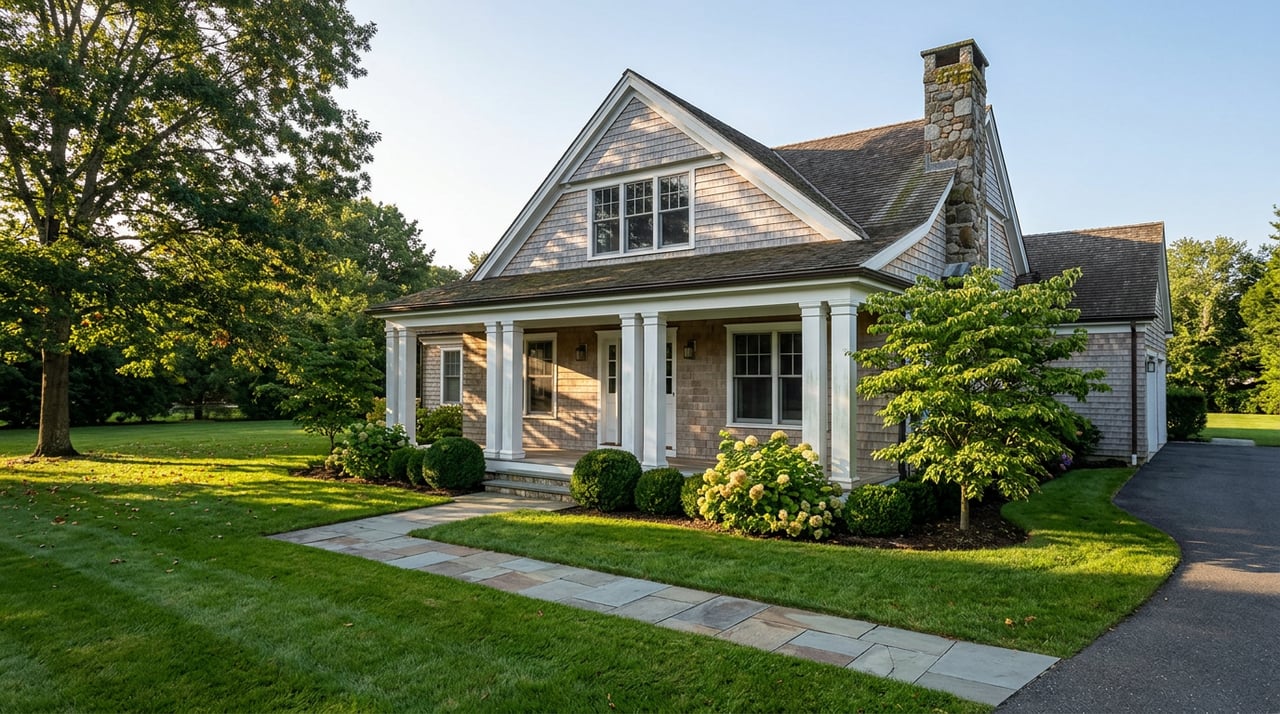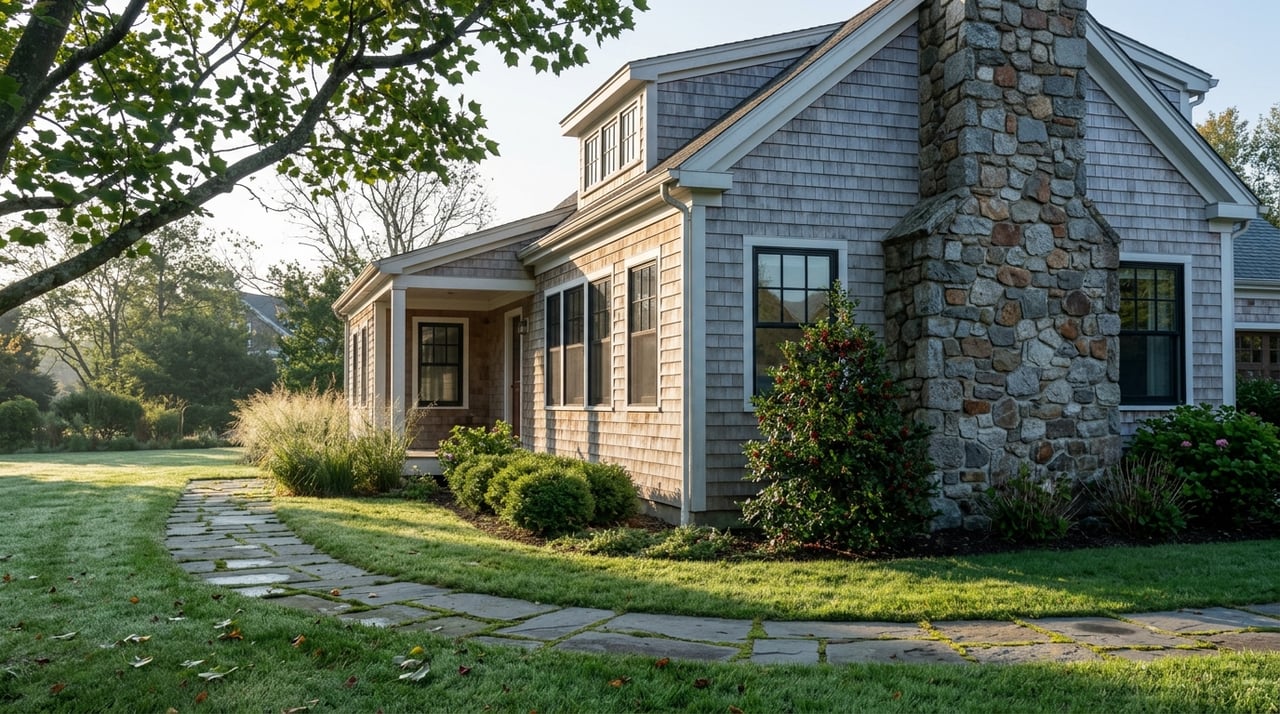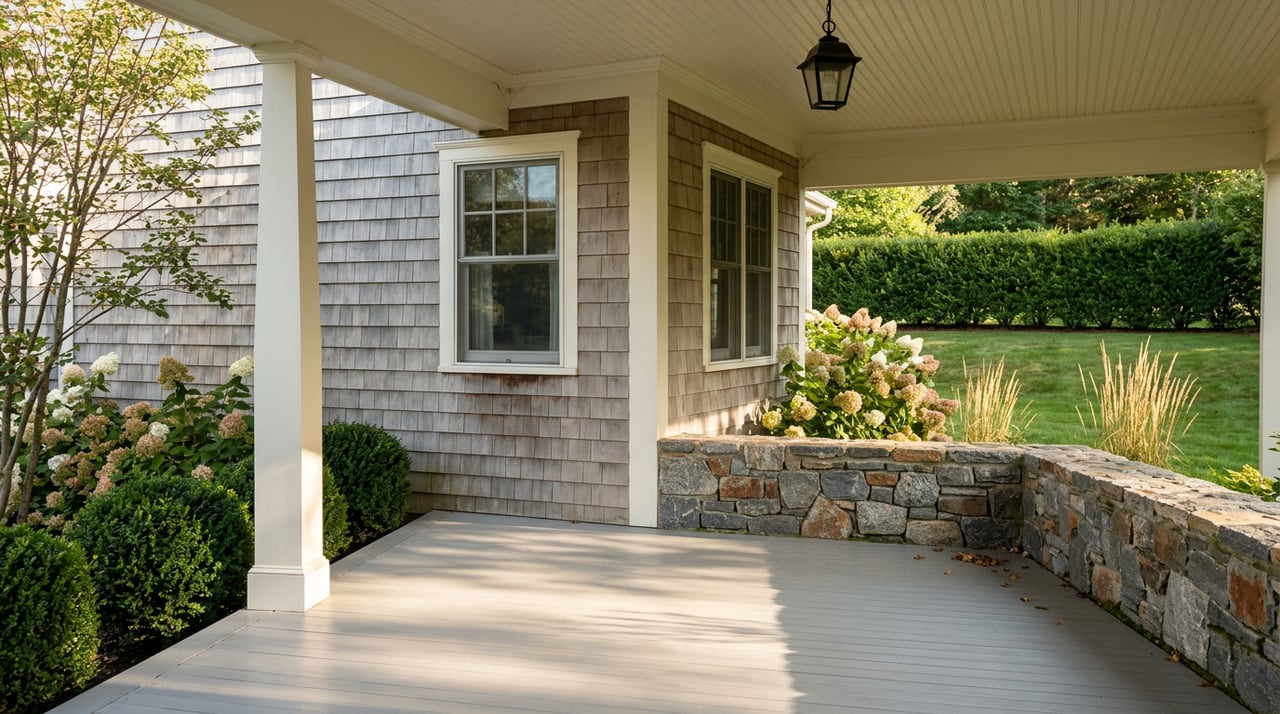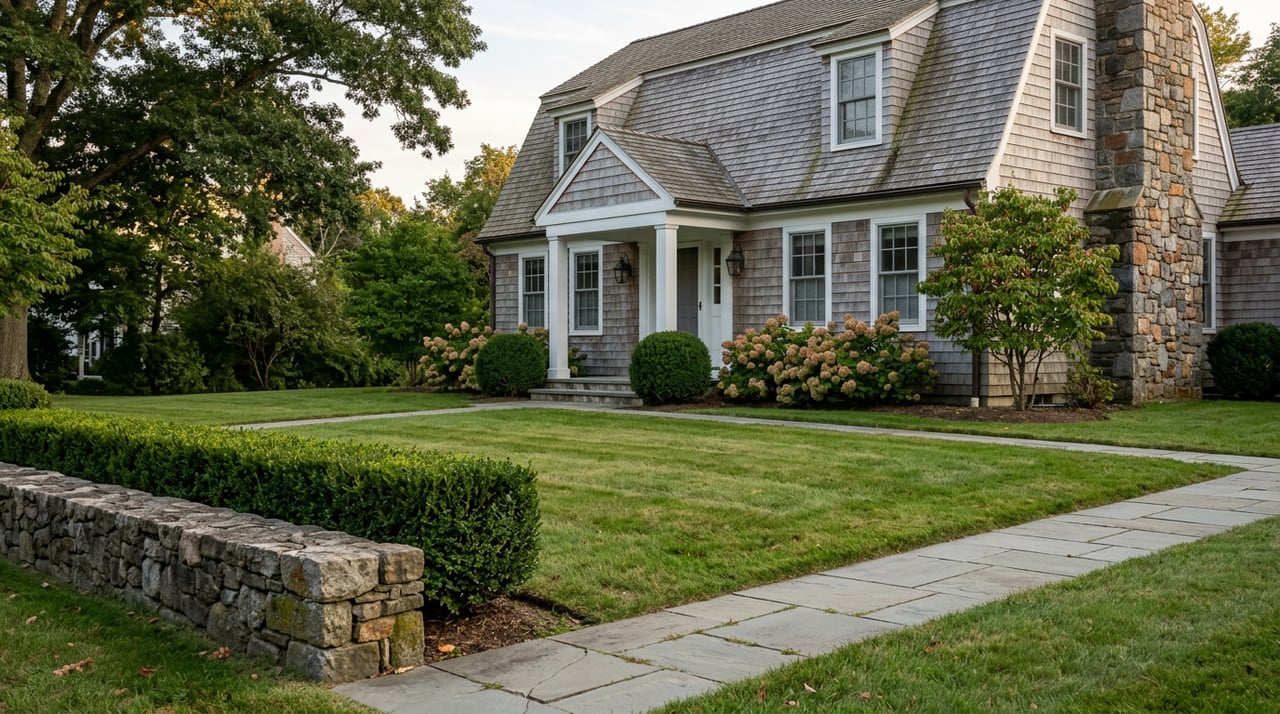
Drive through Plandome looking for its Main Street and you will drive right past it, because there isn't one. No coffee counter, no hardware store, no strip of storefronts with awnings. For a village that regularly turns up on lists of the most sought-after addresses on Long Island's North Shore, that absence is the first thing a visitor notices and the last thing a resident thinks about, because residents already know where the village actually lives. It lives in three institutions that have nothing to do with retail, and late August is the one stretch of the calendar when all three are running at once.
That is the part worth sitting with. Plandome is a village of about 1,450 people, and it has organized its entire social life without ever building the commercial spine that most towns this size rely on. What it built instead was a set of memberships and a shared field, and the rhythm of a Plandome summer is really the sound of those two things overlapping.
The Village That Skipped Its Own Main Street
Plandome's layout was never an accident of missed opportunity. In the early 1900s, four friends living in New York City bought roughly 90 acres of land from the Mitchill family, one of the old Cow Neck families that had farmed and fished this stretch of Manhasset Bay since the 1600s. They formed the Plandome Land Company and laid out single family homes around a shared green and a Tudor building that eventually became Plandome Village Hall, according to Wikipedia's history of the village. There was no plan for shops. The green itself was the plan.
More than a century later, that green is still doing the job a downtown would do elsewhere. It hosts the Fourth of July parade and relay races the Plandome Association has run since the group organized in 1940, and it will host the Association's Movie Night on the Green on August 28 at 7:30 p.m., per the Association's own event listing. No storefront had to open or close for either of those to happen. The green just needed people to show up, which they do.
The Boundary Lines Everyone Already Knows
If the green is the public half of Plandome's social infrastructure, the private half runs through the Plandome Field and Marine Club, and its membership map is more specific than most residents outside the village would guess.
The club's bylaws split membership into two tiers, according to the club's own site. A Tennis Membership is open to any resident of the Village of Plandome. A Beach and Tennis Membership, the one that comes with dock access, is reserved for residents inside a defined boundary:
- Manhasset Bay to the west
- North Drive to the north
- Heights Road to the south
- Brookside Drive to the east
- plus specific named streets outside that box: The Terrace, Willets Lane, Shoreview Lane, Bayside Drive, and Plandome Road
Up to 20 additional households outside those boundaries can be granted a guest beach membership each year, at the board's discretion. In a village this small, that means the difference between a kayak launch and a tennis-only summer sometimes comes down to which side of North Drive a house happens to sit on. It is a boundary line residents have usually already mapped in their heads without ever needing a plat book.
A Clubhouse You Can Walk To From the Platform
The other private institution sits even closer to daily life than the water does. A portion of the Plandome Country Club falls within the village boundary, according to Wikipedia, and it sits close enough to the Plandome train station that the transition from commuter to clubhouse barely counts as a trip. Golf clubs and a briefcase can end up in the same car on the same afternoon without much planning involved.
The station itself has been there since 1909, when the Long Island Rail Road converted what had been a flag stop on its Port Washington Branch into a permanent building, one that still houses the Plandome post office on the ground floor below the waiting room. Residents park in the two village-owned lots with a permit issued by the village itself, not by the railroad. It is a small detail, but it fits the larger pattern: even the commute here is run through village institutions rather than outside vendors.
The Preserve Just Up The Road
When the calendar isn't running through the green or the club, it tends to run through the woods. Leeds Pond Preserve covers 35 acres, according to Nassau County's own facility page, considerably more ground than the 21.4-acre pond it surrounds, and its trails cut through a wooded valley of tulip trees and oaks before a stream feeds into the pond itself. The Victorian mansion on the property now houses the Science Museum of Long Island, which keeps the preserve from feeling purely like a nature walk. It is also the closest thing Plandome has to a shared destination that isn't a membership club.
The preserve's address puts it just up North Plandome Road in the neighboring Village of Plandome Manor, a separate incorporated village but one that shares the same corridor and, this year, the same construction season. As of this spring, Plandome Manor's board was still finalizing approval on a new crosswalk along North Plandome Road, one designed with double sided signs and flashing beacons to slow traffic where walkers cross toward the preserve, according to reporting in the Long Island Press. It is a small infrastructure fix, but it is the kind of detail that only shows up if someone is actually walking that road, which plenty of Plandome residents are, on their way to or from the trailhead.
The Night That Closes the Loop
Which brings the calendar back to August 28. The Plandome Association's Movie Night on the Green is not a novelty booking. It is the same civic group, running the same green, that has staged the village's Fourth of July races for generations and that will run the holiday parties later in the year. The organization does not advertise beyond its own mailing list and a sign on the green, and it does not need to. Everyone who is going already knows.
That is really the thesis worth taking away from a Plandome summer. Other North Shore villages built a walkable block of restaurants and shops to hold their community together. Plandome built a calendar instead, one that runs through a 1940s civic association, a waterfront club with a boundary map most residents have memorized, a country club that shares a driveway with the train platform, and a county preserve one village over. None of it required a storefront. All of it required people to keep showing up, year after year, to the same green.
If the calendar side of Plandome life ever turns into a real estate question, whether it's a house that happens to sit inside the Field and Marine Club's beach boundary or one that doesn't, the The McCooey Olivieri Team has spent enough time in these villages to know which lines actually matter. Schedule a complimentary local market consultation whenever you're ready to talk specifics.