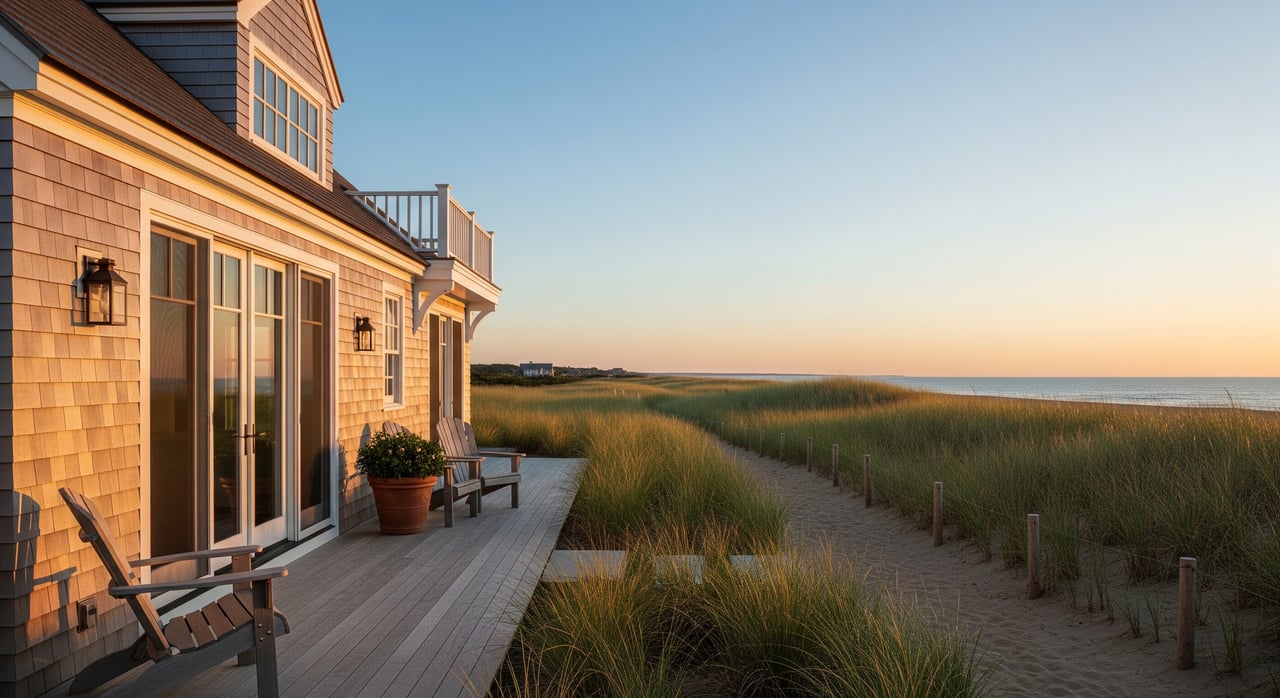
Thinking about a second home in the Hamptons but want a quieter feel and easy beach access? Quogue may be the fit you’re after. You get a serene village setting, classic coastal architecture, and proximity to Westhampton Beach and Southampton. In this guide, you’ll learn how the Quogue market moves, when to shop, what drives prices, and what due diligence matters most for coastal homes. Let’s dive in.
Quogue at a glance
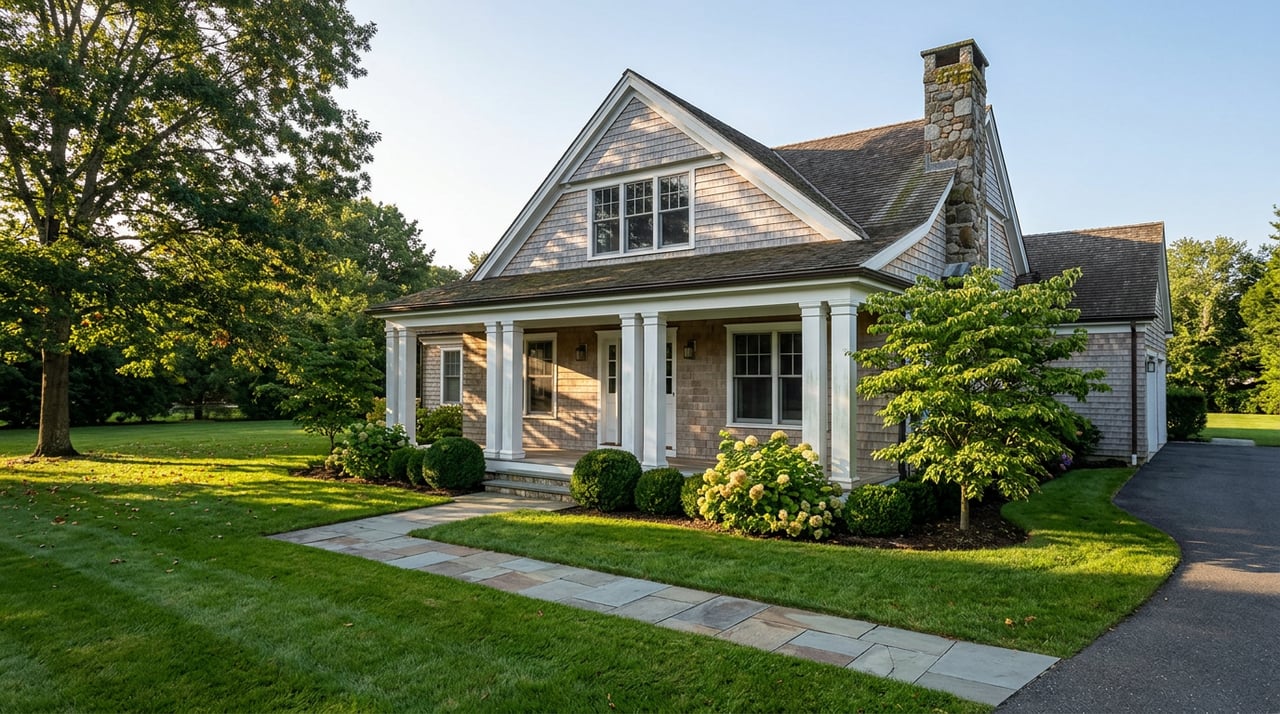
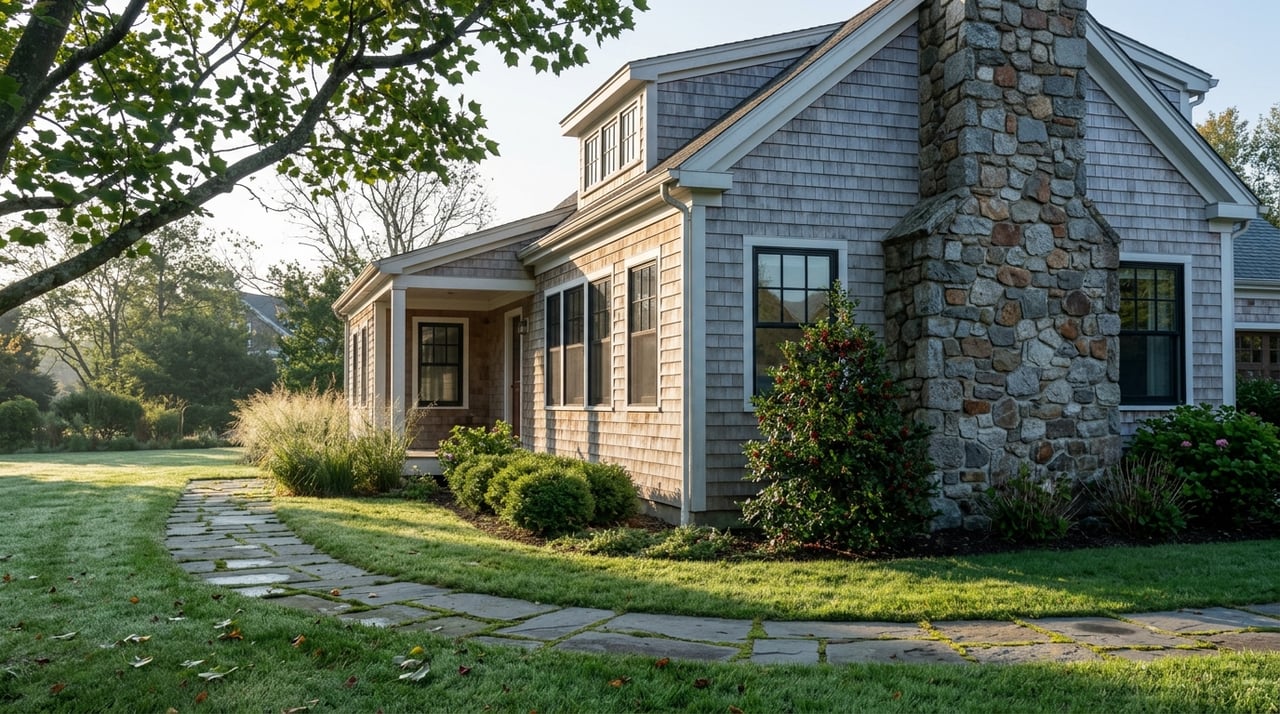
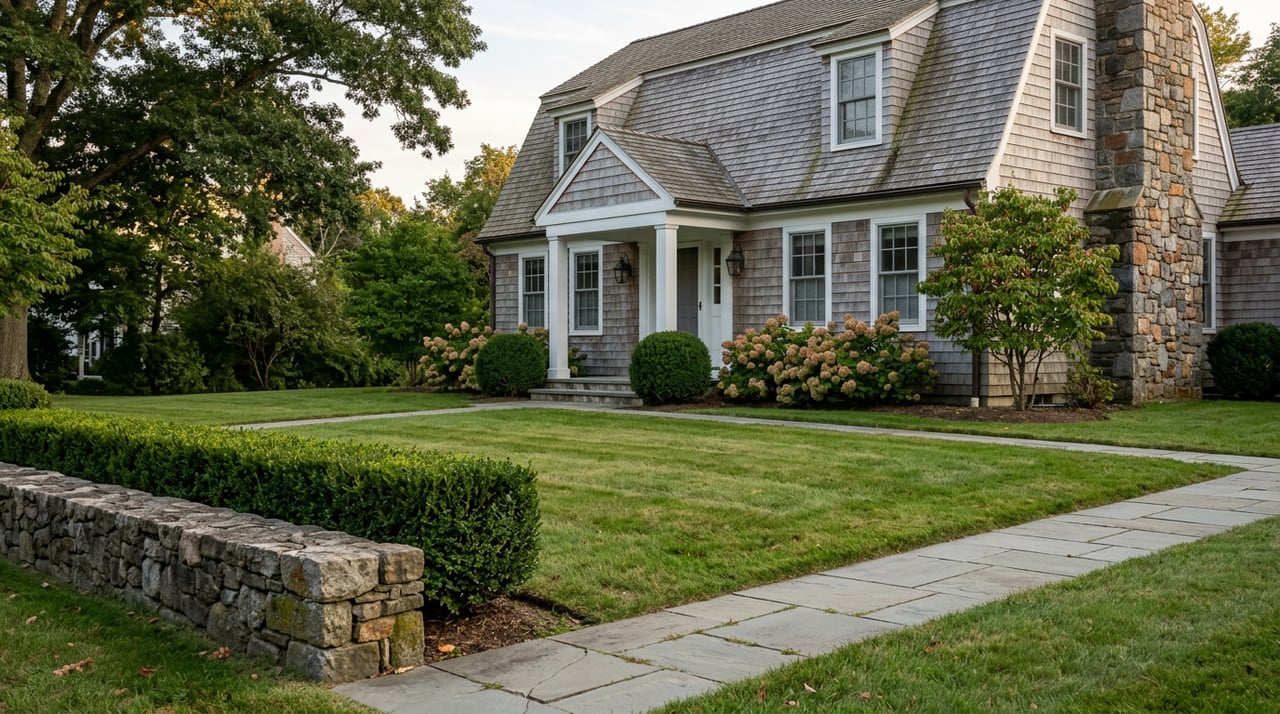
Quogue sits within the Town of Southampton and is known for privacy, beach access, and a smaller, residential vibe. You’ll see shingle cottages, bayfront and oceanfront homes, and inland properties on larger lots. Waterfront proximity, condition, and privacy tend to drive pricing and demand.
Compared with nearby enclaves:
- Westhampton Beach has more visible in-season activity and seasonal rentals. Quogue is smaller and more residential.
- Southampton Village and East Hampton have broader luxury inventories and more commercial amenities. Quogue offers a quieter pace with premium pricing for direct water access.
The market can move differently by product type. Turnkey oceanfronts behave unlike inland cottages or renovation opportunities. Averages can hide those differences, so you’ll want to look at property-specific data.
What’s trending now
Recent years brought strong second-home demand across the Hamptons as remote work and lifestyle shifts increased interest. Post‑peak, activity in many areas has normalized. Days on market can be longer for mid-market homes while top-tier, turnkey waterfronts still draw attention. Interest rates and broader economic news influence buyer urgency. In Quogue, privacy and water access remain the key value drivers.
If you’re comparing options, review local data before you tour. Look at median sale price changes, months of supply, and list-to-sale price ratios for the exact property type you want. For source data, you can explore the regional MLS at OneKey MLS and speak with your advisor about the newest neighborhood-level reports.
Seasonality and timing strategies
Quogue follows a clear seasonal rhythm.
- Listing volume often rises from spring into early summer. Sellers want in-season exposure.
- Buyer activity is strongest from May through September. Many buyers aim to close before peak summer.
- Off-season months from late fall through winter can bring less competition and more room to negotiate. Selection is slimmer, so patience helps.
Practical timing tips:
- If you want summer occupancy, start your search early in spring. Expect competition for turnkey waterfronts.
- If you want leverage, shop late fall or winter. Be prepared for fewer listings and act quickly when a match appears.
- Planning a renovation? Buying off-season can help you line up contractors ahead of summer.
Property types and buyer focus
You’ll encounter a range of options in Quogue:
- Oceanfront and shorefront homes. Premium pricing, strongest competition, and careful due diligence for flood and erosion risk.
- Bayfront and marshfront properties. Loved for sunsets, privacy, and water access.
- Inland single-family homes on larger lots. Classic shingle cottages and ranches that appeal to those seeking a lower-maintenance retreat.
- New construction and renovated estates. High-end finishes and turnkey appeal.
- Vacant land. Suitable for custom builds, subject to zoning, septic capacity, and environmental rules.
Competition tends to concentrate around:
- Move‑in ready waterfronts and homes with private beach or dock access.
- Recently renovated homes with updated kitchens, baths, systems, and outdoor amenities.
- Well-priced listings that show beautifully in the first week on market.
What your budget should consider
Budget planning for a second home in Quogue goes beyond the purchase price. Think in terms of total cost of ownership and liquidity.
- Carrying costs. Property taxes vary by assessment and local levies. Review recent tax bills and any special assessments before you offer.
- Maintenance. Coastal homes face salt air wear on exterior finishes, decking, windows, and HVAC. Build a routine maintenance budget.
- Insurance. Flood and wind coverage can be significant, especially in FEMA flood zones. Get property‑specific quotes early.
- Renovation funds. If you buy a home that needs work, map out costs, permits, and timelines with local professionals before closing.
Flood, wind, and coastal risk
Many Quogue homes near the ocean or bay fall within mapped flood zones. Lenders may require flood insurance, and some carriers use separate windstorm policies on the coast. Before you fall in love with a listing, do three quick checks:
- Pull the property’s FEMA flood map and base flood elevation. Use the FEMA Flood Map Service Center.
- Ask for a written flood and wind insurance estimate based on the home’s exact location, elevation certificate, and mitigation features.
- For shoreline properties, consult a coastal engineer to review erosion history, shoreline stabilization, and dune or bulkhead conditions.
Short-term rental rules and permits
If you plan to rent seasonally, verify local rules first. Short-term rental regulations can include permits, minimum-stay requirements, and occupancy or tax obligations. Policies evolve across Long Island coastal communities, so always confirm with the relevant agencies.
- Check current requirements with the Town of Southampton and applicable village offices. Start with the Town of Southampton for guidance on permits and code enforcement.
- Ask about registration, inspections, and taxes that may apply to transient rentals.
- Model realistic rental income after factoring management, utilities, insurance, and vacancy between seasons.
Financing second homes
Lenders often treat second homes differently than primary residences. Expect stricter underwriting and larger down payments than you may have used on your first home. Cash buyers are common in the Hamptons and can have a negotiation edge, but well‑qualified financed buyers succeed with proper preparation.
What to prepare:
- Speak with a mortgage professional early and request a product that fits second‑home guidelines.
- Confirm down payment, reserves, and debt‑to‑income requirements.
- If you plan to rent at any point, ask how potential rental income is considered in approval.
- Keep timelines in mind. In-season sellers may prefer clean offers and shorter contingency windows.
Inspections and due diligence for coastal homes
A thorough inspection process is essential near the water. In addition to standard home inspections, consider targeted reviews for coastal systems and site conditions.
- Structure and exterior. Look at roofing, siding, decks, windows, and structural fasteners for salt exposure or corrosion.
- Septic systems. Request a septic inspection and maintenance records. Some improvements can trigger upgraded system requirements.
- Surveys and rights. Confirm property lines, access, and any beach or path rights.
- Insurance and hazard history. Review any prior claims and disclosures.
Environmental rules and land use can affect what you can build or renovate. For guidance on coastal setbacks, wetlands buffers, and protected areas, consult the New York State Department of Environmental Conservation and local code offices. The state’s environmental resources start at NY DEC.
Practical buyer checklist
Use this quick list as you evaluate homes:
- Confirm applicable short‑term rental rules and taxes.
- Obtain FEMA flood map and a flood insurance quote.
- Review recent tax bills and assessment history.
- Request septic inspection and maintenance records.
- Ask seller about neighborhood beach or private access rights.
- Confirm utility connections and seasonal service specifics.
How to time your search
Here is a simple blueprint you can follow:
- February to April. Define budget, get pre‑approval, and shortlist neighborhoods. Line up insurance guidance if shopping near the water.
- April to June. Tour actively. For summer occupancy, plan to go to contract by late spring to allow time for closing.
- July to September. Evaluate in-season new listings. Expect quicker decisions on standout properties.
- October to January. Shop for leverage and less competition. Monitor new off‑season listings and price adjustments.
Why work with a local advisor
Quogue is a small market where every street and waterway matters. Micro‑location, flood maps, dune systems, and village rules shape value and feasibility. A local expert helps you make fast, confident decisions when the right home appears.
The McCooey‑Olivieri Team pairs deep Long Island roots with on‑the‑ground Hamptons coverage. You get responsive guidance, tight negotiation, and Compass technology that helps you track listings and timing. When needed, we coordinate with local inspectors, mortgage pros, and insurance specialists so your due diligence stays on schedule.
Ready to align your search with the market’s rhythm? Connect with the McCooey‑Olivieri Team to map your timing, refine your property criteria, and start seeing the right homes faster.
FAQs
What makes Quogue appealing for second-home buyers?
- Quogue offers a quieter, residential setting with strong beach and water access, plus a mix of classic cottages, inland homes, and premium waterfronts that suit a range of second‑home goals.
When is the best time to buy a second home in Quogue?
- Spring and early summer bring more listings and buyer activity, while late fall and winter often offer fewer competing buyers and more room to negotiate.
Do I need flood insurance for a Quogue home near the water?
- Many shoreline properties are in mapped FEMA flood zones; check the FEMA Flood Map Service Center and obtain property‑specific flood and wind insurance quotes before making an offer.
Can I rent my Quogue home short-term?
- Short‑term rental rules vary and can change; verify permits, minimum stays, and taxes with the Town of Southampton and any applicable village office before assuming rental income.
How competitive are offers in Quogue right now?
- Competition depends on property type and condition; turnkey waterfronts draw faster offers, while mid‑market or project homes may see longer days on market depending on season and pricing.
What down payment do lenders usually require for second homes?
- Requirements vary by lender and loan type, but second‑home financing often involves larger down payments and stronger reserves than primary residences; consult a local mortgage professional early.