Thinking about trading your city routine for a North Shore lifestyle without giving up an easy commute? You are not alone. Many buyers look at Port Washington for its waterfront charm, walkable downtown, and direct rail service to Manhattan. In this guide, you will learn what the commute really looks like, how parking and permits work, how waterfront access factors into daily life, and what to check before you buy. Let’s dive in.
LIRR commute at a glance
Port Washington is the terminal station on the LIRR Port Washington Branch. Trains run west through Queens to Manhattan. Direct service to Penn Station is standard for riders from Port Washington. Service patterns can change, so always review current MTA schedules before you plan.
Travel times and patterns
Typical Manhattan travel time is commonly in the 30–40 minute range, depending on the train and time of day. Express options can be faster than local trains. Peak trains are busier and can fill quickly. Consider testing an earlier or later train to find your best fit.
Tickets and budgeting
Fares vary by peak or off-peak and by ticket type. Many commuters use monthly tickets or multi-ride options for predictable costs. Compare your monthly rail budget with the full cost of driving, including tolls and parking. Keep an eye on MTA fare updates before you set a long-term budget.
Rider comfort tips
- Walk time matters. Living close to the station reduces the need for parking.
- Peak-hour crowds are normal. Getting to the platform a bit early helps.
- Weekend and holiday schedules differ. Always check service notices before trips.
Station parking and permits
Parking near the station includes permit lots, pay lots, municipal lots, on-street options with time limits, and quick drop-off areas. Many lots use permit programs with waitlists. New residents should join MTA and municipal waitlists as soon as possible. Local on-street rules and residential permits are handled by the Town or village, so confirm current regulations before you rely on street parking.
Practical parking steps
- Apply to MTA permit waitlists early if you need a station lot.
- Check Town of North Hempstead rules for residential zones and guest permits.
- Consider homes with off-street parking if you expect a permit wait.
- Ask about bike storage and secure racks if you plan to cycle to the station.
Driving commute realities
Driving to Manhattan usually means crossing the Throgs Neck or Whitestone bridges. Traffic can be heavy during peak hours, and total travel time often exceeds the rail commute. Remember to include tolls and Manhattan parking in your cost comparison. Test the route during your typical commute window before you buy.
Local buses, bikes, walking
Nassau County bus service and local routes can connect Port Washington with nearby hubs. Some neighborhoods are walkable to the station and downtown. Sidewalks and bikeability vary by street, so evaluate your daily route in person. If you plan to bike, look for secure storage and lighting on your path.
Waterfront access and marinas
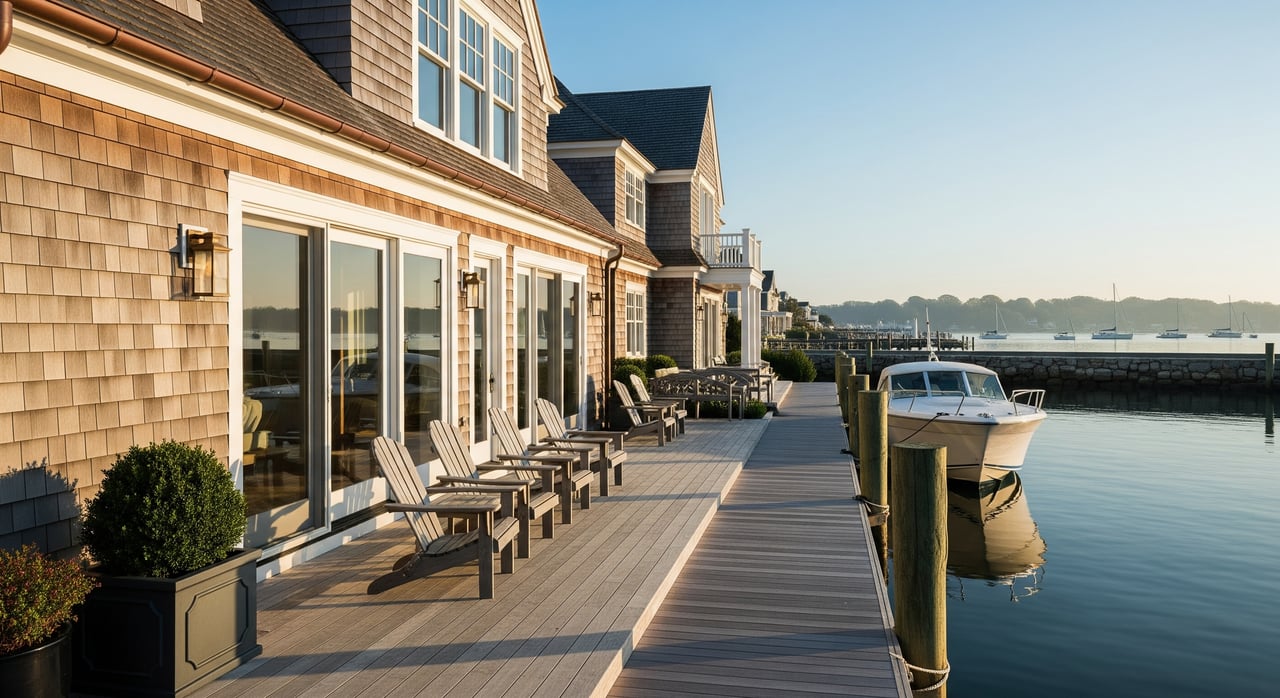
Port Washington fronts Manhasset Bay, with yacht clubs, marinas, and public waterfront areas. Many residents enjoy boating, sailing, and seasonal waterfront activities. Slip availability often depends on waitlists, boat size, and services. Transient slips can be available seasonally but may fill on busy weekends.
Boating buyer checklist
- Contact local marinas and yacht clubs about slip waitlists and fees.
- Ask about services like electricity, water, winter storage, and pump-out.
- Check Town harbormaster rules for moorings, permits, and launch access.
- Budget for annual marina costs and insurance.
Flood and coastal risk
Some areas of Port Washington are in FEMA-designated flood zones. Waterfront and low-lying homes may require flood insurance and specific elevation or mitigation steps. Review FEMA flood maps during due diligence. Ask for elevation certificates and speak with an insurance professional to estimate premiums.
Neighborhood conveniences
Port Washington offers a downtown corridor with dining, shops, banking, and community spaces. Public schools are served by the Port Washington Union Free School District. Healthcare access includes nearby options in Manhasset and greater Nassau County. Parks, waterfront promenades, and local events add to everyday quality of life.
Cost of ownership notes
Nassau County property taxes are relatively high compared with many parts of the country. Factor in taxes when you assess monthly carrying costs. Waterfront or older homes can have higher insurance needs. Build a maintenance and reserve plan that matches the age and location of the property.
Home search priorities
- Proximity to station for a simpler commute.
- Off-street parking or garage when permits are limited.
- Flood zone status, elevation certificates, and insurance requirements.
- Walkability to downtown and services that fit your routine.
- Marina access or storage if boating is important.
- Condition of coastal features such as bulkheads and seawalls on waterfront lots.
Try-before-you-buy plan
- Ride two or three different peak trains to compare times and crowding.
- Drive your preferred route to Manhattan during rush hour.
- Visit the station after 7 a.m. on weekdays to gauge parking availability.
- Walk or bike your likely route to the station at dawn and after sunset.
- Call marinas to understand timelines for slips or moorings before making an offer.
Next steps with our team
If Port Washington is on your shortlist, you want clear answers on commute logistics, parking, flood risk, and waterfront access. Our local approach helps you compare neighborhoods by walk time, parking realities, and daily convenience, not just by listing photos. We coordinate the right checks, from schedule-testing your commute to confirming permit processes, so you can buy with confidence.
Ready to explore homes that match your commute and lifestyle goals? Connect with the McCooey-Olivieri Team for a complimentary local market consultation.
FAQs
How long is the LIRR commute from Port Washington to Manhattan?
- Typical travel time to Penn Station is commonly 30–40 minutes, depending on the train and time of day; always confirm current MTA schedules.
Is there reliable station parking in Port Washington?
- Parking exists across MTA and municipal lots, but many require permits with waitlists; join waitlists early and consider homes with off-street parking.
What should boaters know about Port Washington marinas?
- Many marinas and yacht clubs use waitlists for seasonal slips; costs and services vary, and transient slips can be limited during busy weekends.
Do waterfront homes in Port Washington need flood insurance?
- Many waterfront or low-lying properties will require flood insurance; check FEMA flood maps, review elevation certificates, and get a premium estimate.
Are there local buses or shuttles to the LIRR station?
- Nassau County bus service and local routes operate in the area, but the LIRR is the primary Manhattan option; verify current routes and schedules.
How do Nassau County property taxes affect a Port Washington purchase?
- Taxes are relatively high compared with many areas, so include them in your monthly budget along with insurance and maintenance for waterfront or older homes.